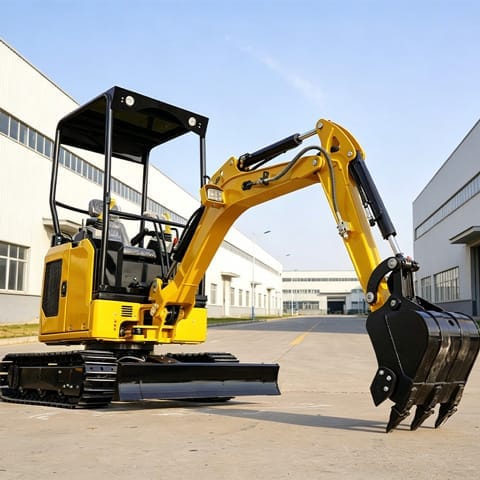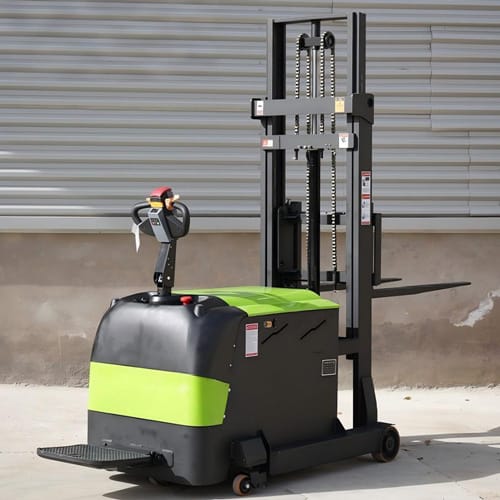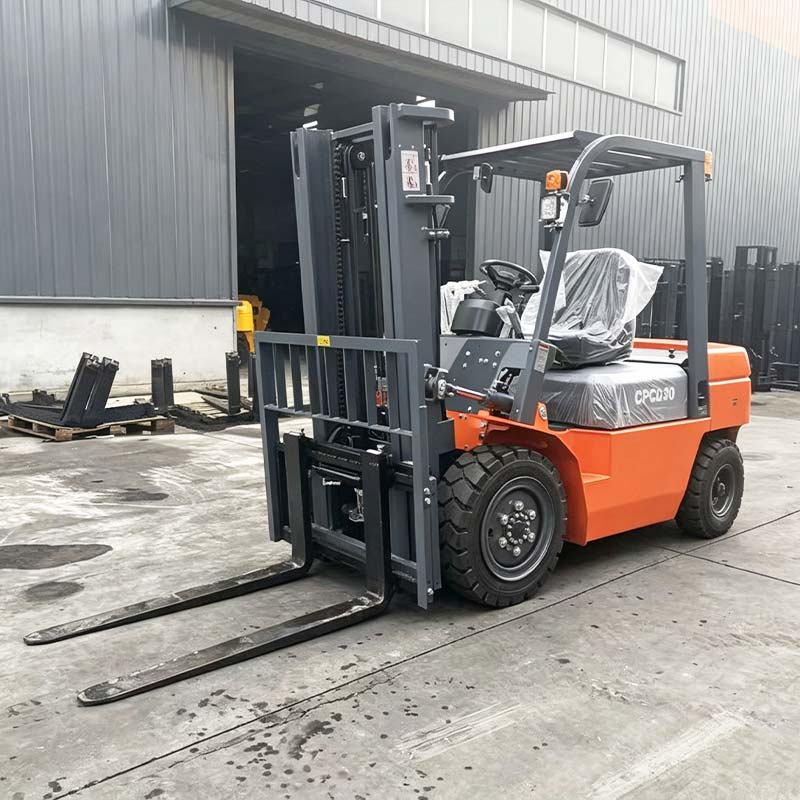
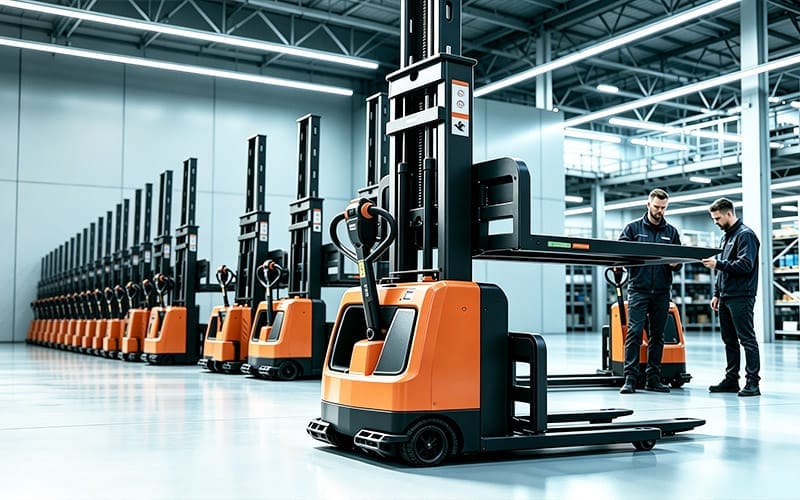
Advanced design, intelligent control systems, and reliable engineering are transforming material handling equipment.
Industrial logistics plays a vital role in modern manufacturing and supply chain operations. Efficient movement of materials within factories, warehouses, and distribution centers directly affects productivity, operational costs, and overall business performance. Among the various equipment used in these environments, forklifts remain one of the most essential tools. In recent years, modern electric forklifts have introduced significant improvements in both efficiency and safety, making them an increasingly popular choice across multiple industries.
One of the most important advantages of modern electric forklifts is their ability to improve operational efficiency. Electric power systems provide smooth acceleration and precise control, allowing operators to handle loads more accurately and efficiently. This is particularly beneficial in warehouses where space is limited and equipment must operate in narrow aisles or confined areas. The compact design of many electric forklift models enables them to maneuver easily while maintaining excellent load stability.
Another key factor contributing to improved efficiency is the integration of advanced battery technologies. Lithium-ion batteries have become increasingly common in modern electric forklifts, offering faster charging times and longer service life compared to traditional lead-acid batteries. These batteries allow forklifts to operate for extended periods without interruption, which is particularly valuable in high-intensity logistics environments where equipment must run continuously throughout multiple shifts.
Energy efficiency is also an important consideration for businesses seeking to reduce operational costs. Electric forklifts convert energy more efficiently than internal combustion engines, resulting in lower overall energy consumption. This not only reduces electricity costs but also minimizes heat generation and mechanical wear. Over time, these benefits contribute to longer equipment life and lower maintenance requirements.
In addition to improving operational efficiency, modern electric forklifts have made significant progress in enhancing workplace safety. Safety has always been a major concern in environments where heavy loads and large machinery are involved. Manufacturers now incorporate advanced safety technologies to reduce the risk of accidents and improve operator awareness.
For example, many electric forklifts are equipped with stability control systems that automatically adjust power output and braking performance based on load conditions. These systems help prevent tipping accidents, which are among the most common causes of forklift-related injuries. Load sensors and warning systems also ensure that operators do not exceed the rated lifting capacity of the machine.
Operator ergonomics is another area where modern electric forklifts have improved significantly. Comfortable seating, intuitive control panels, and improved visibility help reduce operator fatigue during long working hours. When operators are comfortable and able to control the equipment easily, they are more likely to maintain consistent performance and avoid operational errors.
Digital technologies are also playing an increasingly important role in forklift safety and efficiency. Some advanced electric forklift models are equipped with telematics systems that allow fleet managers to monitor equipment usage, maintenance schedules, and operational performance in real time. These systems provide valuable data that helps companies optimize equipment utilization and identify potential maintenance issues before they become serious problems.
Furthermore, modern electric forklifts are designed with environmental sustainability in mind. Unlike diesel or LPG forklifts, electric forklifts produce no direct emissions during operation. This makes them ideal for indoor environments where air quality must be maintained. Improved working conditions benefit employees and contribute to a healthier workplace environment.
From a long-term investment perspective, electric forklifts also offer significant financial advantages. Reduced maintenance requirements, lower energy consumption, and longer equipment lifespan all contribute to a lower total cost of ownership. Businesses that operate large fleets of forklifts often find that electric models provide substantial cost savings over time.
In conclusion, modern electric forklifts represent a significant advancement in industrial logistics technology. By combining improved efficiency, enhanced safety features, and environmentally friendly operation, these machines are helping businesses achieve higher productivity while maintaining strict safety standards. As technological innovation continues to progress, electric forklifts will remain a central component of efficient and sustainable material handling operations worldwide.