Understanding equipment types, load capacities, and working environments helps businesses improve operational efficiency.
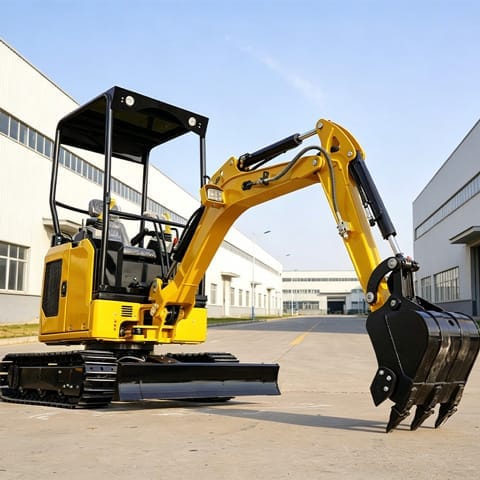
Selecting the appropriate material handling equipment is a critical decision for companies involved in manufacturing, logistics, construction, and warehousing operations. The right equipment can significantly improve operational efficiency, reduce labor costs, and ensure safe working conditions. However, with a wide range of machines available on the market—including electric forklifts, stackers, skid steer loaders, and aerial work platforms—choosing the most suitable solution requires careful evaluation of several factors.
One of the first considerations when selecting material handling equipment is the specific application environment. Warehouses, factories, construction sites, and outdoor logistics yards all have different operational requirements. Equipment that performs well in one environment may not be suitable for another. For example, electric forklifts are often ideal for indoor warehouse operations due to their zero-emission design and low noise levels, while skid steer loaders are commonly used on construction sites where flexibility and terrain adaptability are essential.
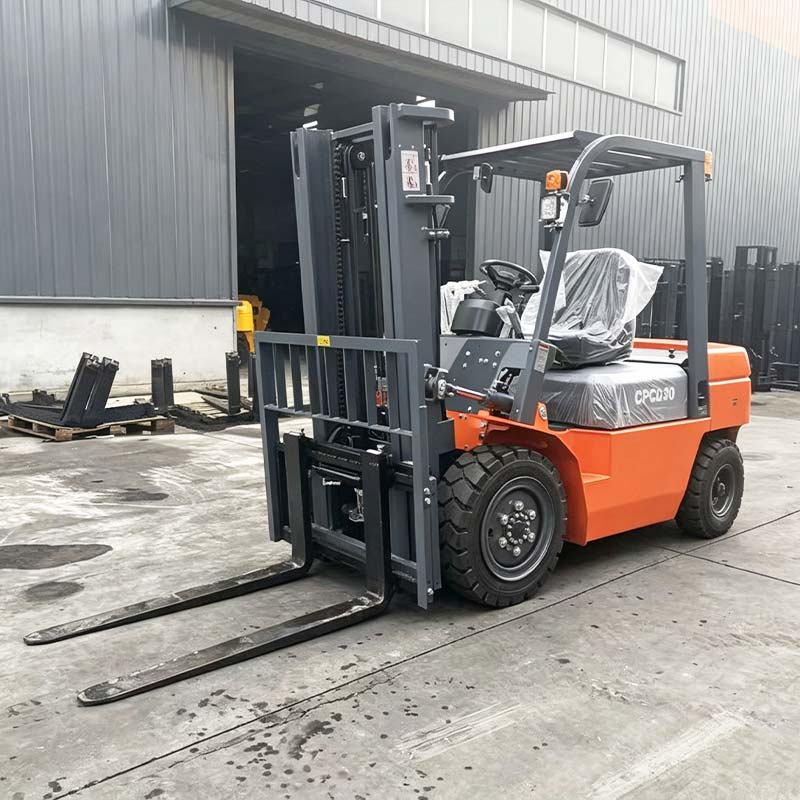
Load capacity is another crucial factor in equipment selection. Different types of material handling machines are designed to handle different weight ranges. Electric forklifts are available in various load capacities, typically ranging from small warehouse forklifts capable of lifting several hundred kilograms to heavy-duty models designed for multi-ton loads. Choosing equipment with the appropriate capacity ensures safe operation and prevents excessive mechanical stress on the machine.
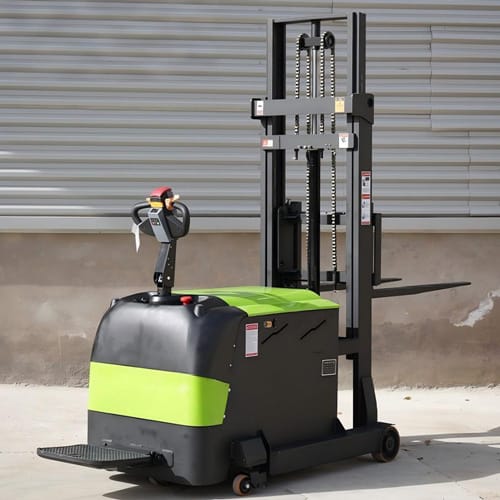
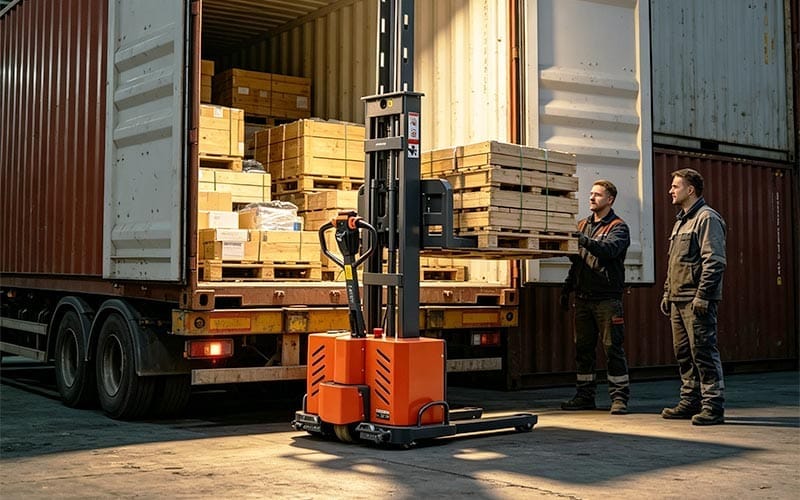
Lift height and working reach are also important considerations, particularly in warehouse environments where goods are often stored on high shelves. Forklifts and stackers are designed with different mast configurations to accommodate various lifting heights. Businesses must carefully evaluate their storage layout and operational requirements to determine the optimal lift height for their equipment.
Another key factor influencing equipment selection is maneuverability. In warehouses with narrow aisles and limited operating space, compact machines such as electric stackers or narrow-aisle forklifts are often the best solution. These machines are specifically designed to operate efficiently in tight spaces while maintaining stability and lifting capacity.
Energy source and operating costs should also be evaluated during the selection process. Electric equipment is becoming increasingly popular due to its lower operating costs and reduced environmental impact. Electric forklifts and stackers require less maintenance than internal combustion machines, as they have fewer mechanical components and do not rely on fuel engines. This results in lower maintenance expenses and improved long-term reliability.
Technological features are another aspect that businesses should consider when purchasing material handling equipment. Modern machines often include advanced control systems, safety features, and digital monitoring technologies. These features help improve operational efficiency, reduce accident risks, and simplify maintenance management. For companies operating large equipment fleets, telematics systems can provide valuable insights into equipment utilization and maintenance requirements.
Customization options can also play an important role in equipment selection. Many manufacturers offer customized configurations to meet specific operational requirements. These may include specialized attachments, different battery configurations, adjustable lifting systems, or branding options for distributors. Customized solutions allow businesses to optimize equipment performance for their unique applications.
In addition to technical specifications, the reliability and reputation of the equipment manufacturer should also be considered. Choosing a professional manufacturer with strong production capabilities and strict quality control processes helps ensure that equipment will perform reliably over the long term. Reliable after-sales service and spare parts availability are equally important factors, as they ensure that equipment can be maintained efficiently throughout its lifecycle.
As industries continue to evolve, the role of material handling equipment will become increasingly important. Automation technologies, digital monitoring systems, and advanced electric power solutions are already shaping the future of this industry. Businesses that invest in modern, high-quality equipment will be better positioned to improve productivity and remain competitive in a rapidly changing global market.
In conclusion, selecting the right material handling equipment requires a comprehensive understanding of operational needs, equipment capabilities, and long-term business objectives. By carefully evaluating these factors, companies can choose solutions that enhance efficiency, improve safety, and support sustainable growth in the years ahead.