Why electric material handling equipment is becoming the preferred choice for logistics and industrial facilities worldwide.
In recent years, the global material handling industry has undergone significant transformation as businesses seek more efficient, sustainable, and cost-effective solutions for warehouse and logistics operations. Among the various equipment options available, electric forklifts have rapidly gained popularity and are now considered one of the most important tools in modern industrial logistics. From large distribution centers to small manufacturing plants, electric forklifts are increasingly replacing traditional internal combustion forklifts due to their operational advantages and environmental benefits.
The demand for electric forklifts is driven primarily by the continuous growth of global logistics and e-commerce industries. As supply chains become more complex and warehouse operations expand, companies require equipment that can handle materials efficiently while maintaining high safety and reliability standards. Electric forklifts offer smooth operation, lower noise levels, and zero on-site emissions, making them particularly suitable for indoor environments such as warehouses, factories, and distribution centers.
Another important factor contributing to the popularity of electric forklifts is the growing emphasis on sustainability and environmental responsibility. Governments and regulatory bodies around the world are implementing stricter emissions regulations and encouraging businesses to adopt environmentally friendly equipment. Electric forklifts help companies meet these requirements by eliminating fuel emissions and reducing their carbon footprint. For many businesses, adopting electric equipment is not only a regulatory requirement but also part of a broader corporate sustainability strategy.
From an operational perspective, electric forklifts also provide significant cost advantages over traditional diesel or LPG forklifts. Although the initial purchase cost may be slightly higher, electric forklifts typically have lower operating and maintenance expenses over time. Since they have fewer moving parts compared to internal combustion engines, electric forklifts require less maintenance and experience fewer mechanical failures. Additionally, electricity costs are generally more stable and lower than fuel costs, which helps companies manage long-term operating expenses more effectively.
Technological advancements have further improved the performance and reliability of electric forklifts. Modern models are equipped with advanced battery technologies such as lithium-ion batteries, which provide longer operating hours, faster charging times, and improved energy efficiency. These improvements allow forklifts to operate continuously in demanding warehouse environments without significant downtime. Intelligent control systems and ergonomic designs also enhance operator comfort and safety, which contributes to increased productivity.
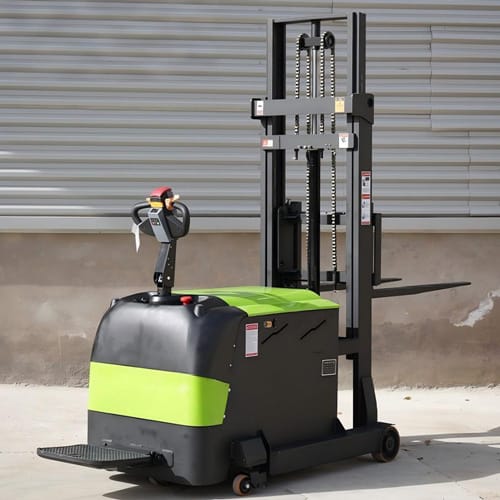
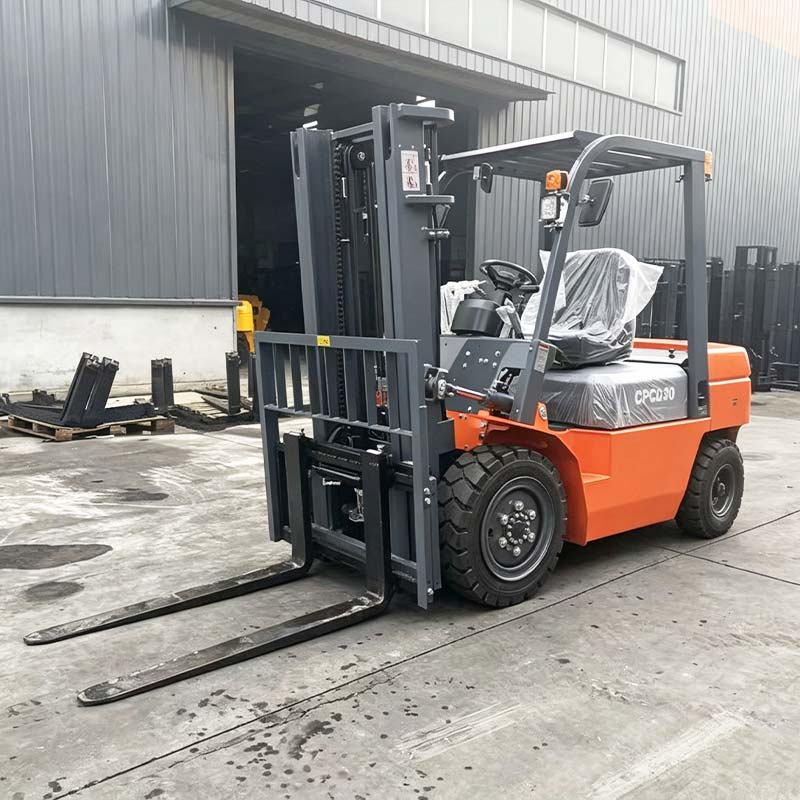
In addition to technological improvements, manufacturers have expanded their product portfolios to cover a wide range of load capacities and working conditions. Today’s electric forklifts are available in models ranging from compact warehouse forklifts designed for narrow aisles to heavy-duty forklifts capable of handling loads of several tons. This flexibility enables businesses to select equipment that precisely matches their operational requirements.
Safety is another critical advantage of modern electric forklifts. Many models are equipped with advanced safety features such as automatic braking systems, stability control, load sensors, and operator assistance technologies. These features reduce the risk of accidents and help ensure safe operation in busy warehouse environments. As workplace safety standards continue to improve globally, these safety enhancements are becoming increasingly important for companies operating large fleets of material handling equipment.
The increasing automation of warehouse operations is also contributing to the growing demand for electric forklifts. In many modern logistics facilities, electric forklifts are integrated with warehouse management systems and automated processes to improve operational efficiency. Some advanced models are designed to support semi-autonomous or fully automated operation, which represents an important development direction for the future of material handling equipment.
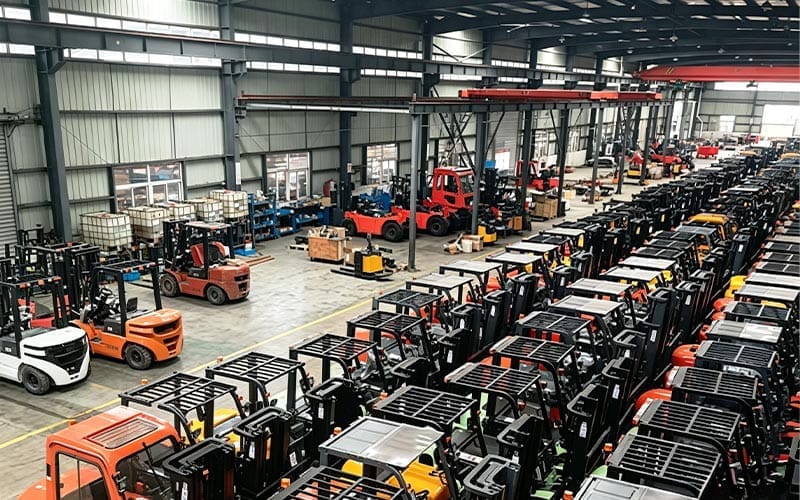
For companies operating in international markets, choosing reliable equipment suppliers is equally important. High-quality manufacturing, strict quality control, and global service capabilities are essential factors that ensure long-term equipment performance and operational stability. Professional manufacturers with strong research and development capabilities can continuously improve product design and adapt to changing market requirements.
In conclusion, electric forklifts have become a key component of modern logistics and material handling operations. Their environmental advantages, operational efficiency, and technological innovations make them an ideal choice for companies seeking reliable and sustainable equipment solutions. As global industries continue to evolve, the role of electric forklifts in improving productivity and supporting sustainable business practices will only become more significant in the years to come.