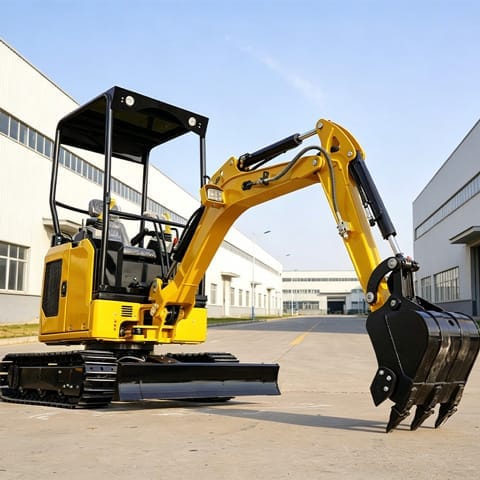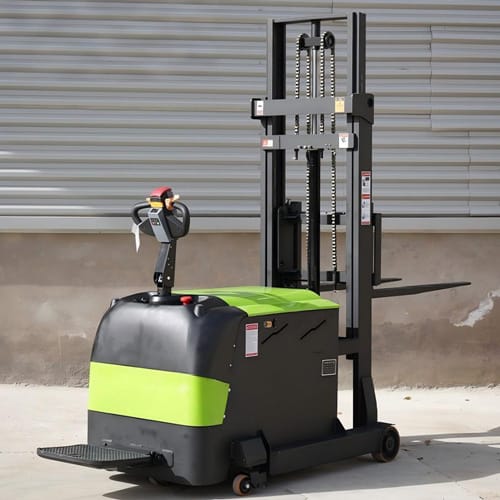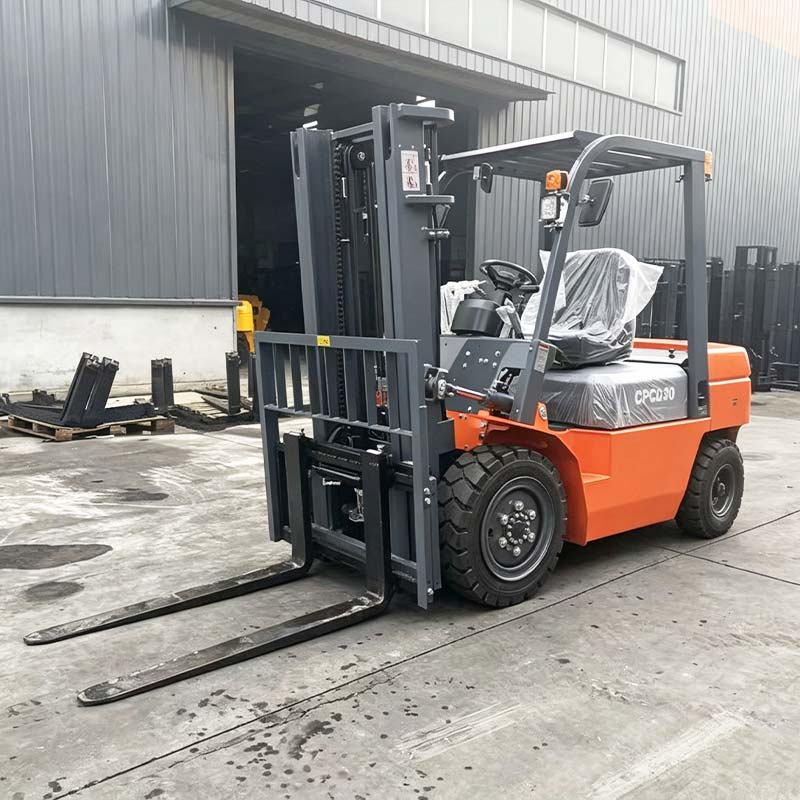
Building a theme park is a massive logistical puzzle. Long before the gates open and the roller coasters make their first drops, construction teams face the daunting task of moving thousands of tons of steel, fiberglass, and complex mechanical equipment. While towering cranes often grab the spotlight on these job sites, forklifts do the relentless, heavy lifting on the ground.
Navigating tight spaces, uneven terrain, and awkward loads, forklifts are the workhorses of amusement park construction. Here is a closer look at how material handling shapes these mega-projects and where forklifts fit into the equation.
1. Why Material Handling Matters in Amusement Park Construction
Amusement park sites are not standard commercial builds. The materials involved are uniquely shaped, incredibly heavy, and highly sensitive to damage. Efficient material handling keeps the project on schedule while preventing costly delays and equipment damage.
Handling Large Ride Components
Roller coaster track segments, carousel platforms, and massive animatronic figures don’t come in standard boxes. These oversized components feature custom curves and delicate finishes. Moving them requires precision. A single drop or deep scratch on a coaster track can compromise the ride’s safety and aerodynamics, requiring expensive repairs or complete replacement.
Moving Steel Structures and Mechanical Parts
Behind the colorful facades lies serious industrial machinery. Ride drive motors, magnetic braking systems, and heavy-duty structural columns form the backbone of the park. Material handling equipment must safely transport these dense, high-weight mechanical assets from staging areas to the exact point of installation without slowing down the site’s workflow.
Managing Materials During Installation
A crowded job site is an inefficient job site. Proper material handling ensures that ironworkers and installation crews have exactly what they need, exactly when they need it. By managing the flow of materials to the installation zone, teams avoid bottlenecking and reduce the risk of on-site accidents caused by clutter.
2. How Forklifts Are Used in Amusement Park Projects
Forklifts bridge the gap between material delivery and final installation. Their versatility makes them indispensable across multiple phases of park development.
Forklifts in Amusement Ride Manufacturing
The journey begins at the manufacturing plant. Heavy-duty industrial forklifts are heavily utilized in the factories where rides are fabricated. They transport raw steel to welding stations, move completed cars into paint booths, and assist in the preliminary factory assembly required for safety testing before shipping.
Forklifts for Loading and Unloading
When flatbed trucks arrive at the construction site loaded with ride supports and queue-line fencing, forklifts handle the offloading. Heavy-capacity lift trucks can slide under oddly shaped loads, securely lift them from the trailer, and transfer them safely to the ground. This keeps the delivery trucks moving and prevents logistical traffic jams at the park gates.
Forklifts for On-Site Material Handling
New theme park sites often lack paved roads during the early phases of construction. Rough-terrain forklifts equipped with deep-tread pneumatic tires power through mud, gravel, and loose dirt to distribute materials across the sprawling acreage. They carry hardware, concrete forms, and smaller structural pieces directly to the active build zones.
3. Choosing the Right Forklift for Construction Projects
Not just any lift truck can handle a theme park build. Selecting the right equipment depends entirely on the specific demands of the materials and the site environment.
Load Capacity
Exceeding a forklift’s rated capacity is a fast track to tip-overs and accidents. Project managers must evaluate the heaviest mechanical components—such as coaster launch stators or massive water pump housings—and select a machine with a load capacity that comfortably exceeds that maximum weight, accounting for load center shifts caused by irregular shapes.
Lifting Height
While forklifts aren’t lifting track pieces 100 feet in the air, they still need adequate vertical reach. High-mast forklifts are necessary for stacking materials in tight staging yards, unloading double-stacked trailers, or lifting mechanical components up to lower-level mezzanine platforms for the assembly crews.
Site Conditions
Tire type and chassis design dictate where a forklift can operate. Standard cushion tires are strictly for smooth concrete surfaces—perhaps useful inside newly built indoor dark ride facilities. For outdoor coaster builds, four-wheel-drive rough-terrain forklifts are non-negotiable.
4. Forklifts vs. Other Lifting and Handling Equipment
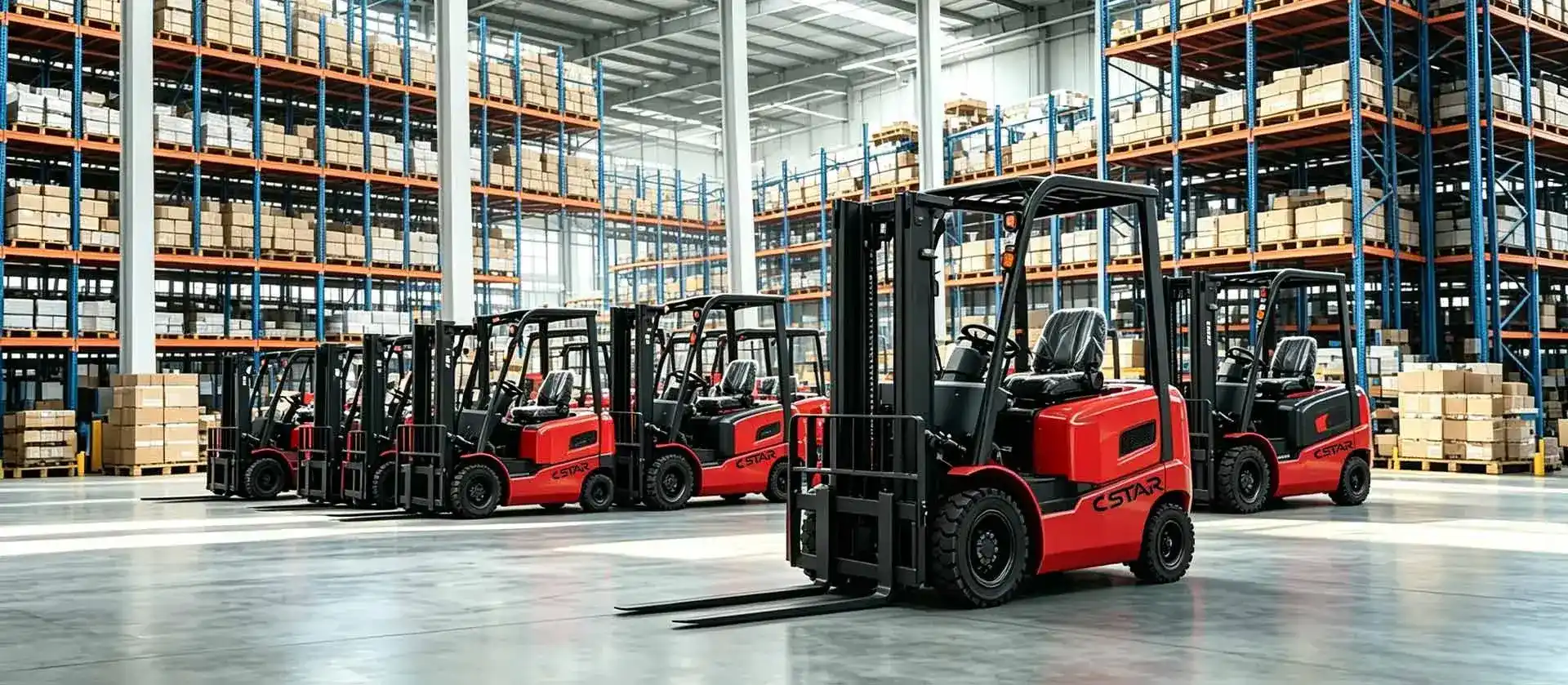
No single machine builds a theme park. Understanding how forklifts complement other heavy equipment is vital for site efficiency.
Forklifts and Cranes
Cranes are the ultimate high-reach tools, responsible for hoisting tracks and support columns into the sky. However, cranes are stationary for long periods. Forklifts act as the feeders. They shuttle the heavy components from the storage yard directly to the base of the crane, allowing the crane operators to focus purely on vertical lifting and placement.
Forklifts and Telehandlers
Telehandlers (telescopic handlers) offer a forward boom reach, making them excellent for placing materials over obstacles like newly poured concrete walls or deep trenches. Traditional forklifts, however, generally offer superior maneuverability in tight spaces and often have higher sheer lifting capacities for heavy, compact loads like generators or steel bundles.
Forklifts and Aerial Work Platforms
There is a strict division of labor here: forklifts elevate materials, while aerial work platforms (AWPs)—like boom lifts and scissor lifts—elevate people. Once a forklift or crane holds a piece of track in place, the ironworkers utilize AWPs to reach the connection points and secure the bolts safely.
6. Material Handling Safety on Amusement Park Construction Sites
The combination of heavy machinery, irregular loads, and busy foot traffic makes safety the top priority.
Load Stability and Visibility
Curved coaster tracks and wide ride vehicles easily obstruct a forklift operator’s forward vision. Driving in reverse is often required, making spotters essential. Furthermore, because these parts do not have uniform weight distribution, operators must carefully secure the load and keep the forks as low to the ground as possible during transit to maintain a stable center of gravity.
Operator Safety
Operators must be strictly certified for the specific class of forklift they are driving. Seatbelts must be worn at all times to keep the operator inside the Roll-Over Protective Structure (ROPS) in the event of a tip. Daily pre-operation inspections are required to check hydraulic lines, tire pressure, and mast chains.
Coordination With Installation Crews
A theme park construction site is loud and chaotic. Forklift operators must maintain clear communication with riggers, crane operators, and ground crews. This requires standardized hand signals, two-way radios, and the rigorous use of horns at blind intersections and when entering active lift zones.
7. Amusement Park Construction and Equipment Resources
Successfully building the next generation of thrill rides requires intense planning and the right mix of heavy machinery. Getting the foundational material handling right is what allows the creative vision of a theme park to safely become a reality.
For a broader overview of the equipment, logistics, transportation, and installation processes involved in amusement park projects, see this [Amusement Park Construction and Equipment Guide].
8. Frequently Asked Questions (FAQ)
Q1: What type of forklift is best for amusement park construction?
Answer: For early phases with unpaved ground and loose dirt, four-wheel-drive rough-terrain diesel forklifts are essential. For indoor dark ride attractions or finished concrete surfaces, high-capacity electric forklifts or standard pneumatic tire models are ideal.
Q2: How do you safely transport roller coaster tracks with a forklift?
Answer: Moving custom roller coaster components requires strict load stability. Operators must use heavy-capacity lift trucks, keep the forks as low to the ground as possible to maintain a stable center of gravity, and always use a ground spotter since oversized tracks can easily obstruct forward visibility.
Q3: Why are forklifts necessary when cranes are already on site?
Answer: While cranes handle the high-altitude vertical lifting, forklifts provide critical ground mobility. They act as feeders, transporting heavy mechanical parts and steel columns from staging yards directly to the crane’s base, ensuring installation crews work efficiently without logistical bottlenecks.